
Goethe B1 Online
Add a review FollowOverview
-
Founded Date September 28, 1955
-
Posted Projects 0
-
Viewed 9
Company Description
The Top 5 Reasons Why People Are Successful On The Buy German A1 Certificate Industry
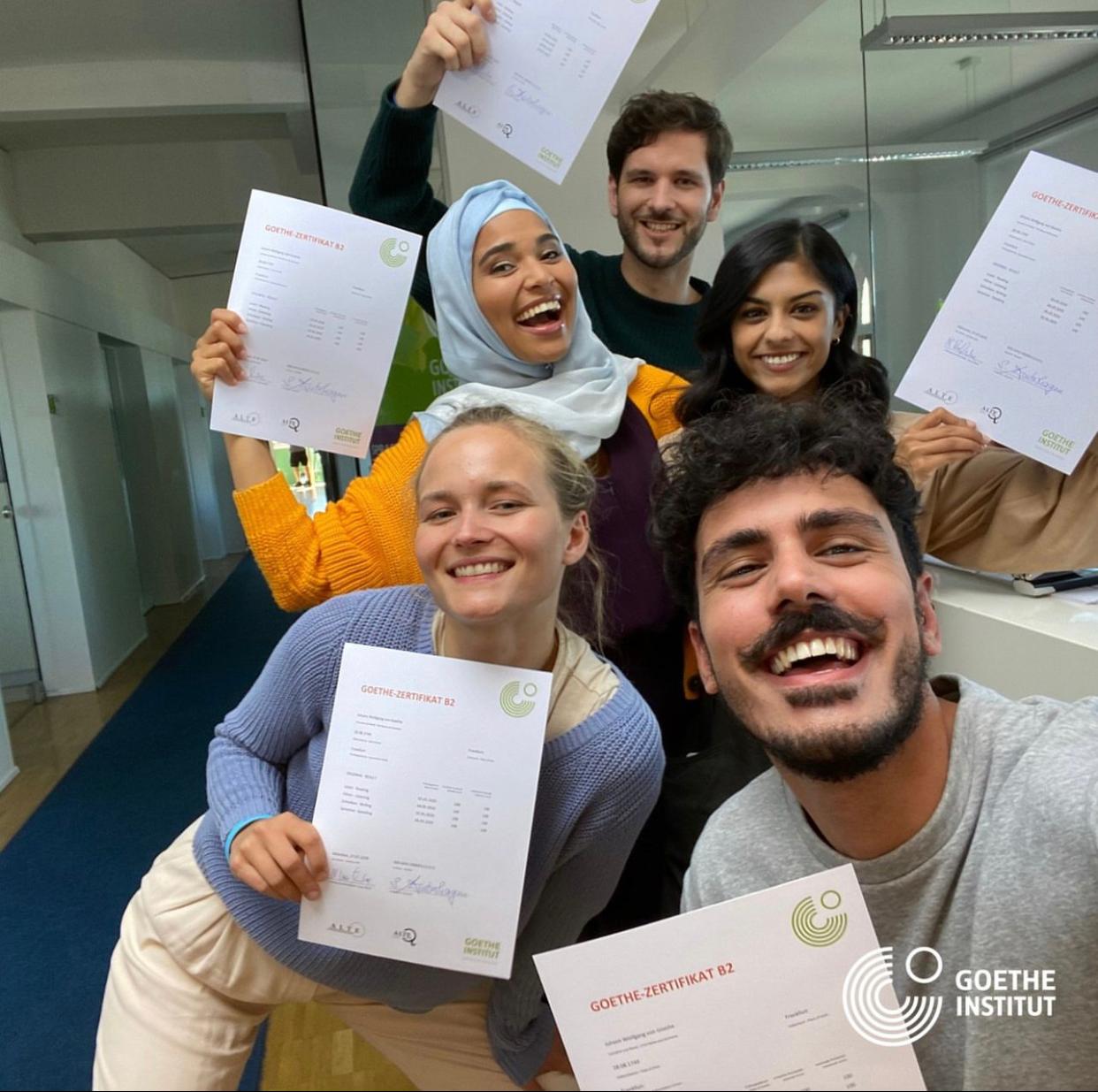
Understanding the German A1 Certificate: A Comprehensive Guide to Purchase and Preparation
In an age of globalization and intercultural exchange, the German language has actually emerged as among the most in-demand languages worldwide, especially in Europe. For people aiming to improve their expert qualifications, study in Germany, or just engage in significant travel experiences, acquiring a German A1 Certificate has actually become an important venture. This article sheds light on what the A1 certificate entails, its benefits, the purchasing procedure, and important preparation tips.
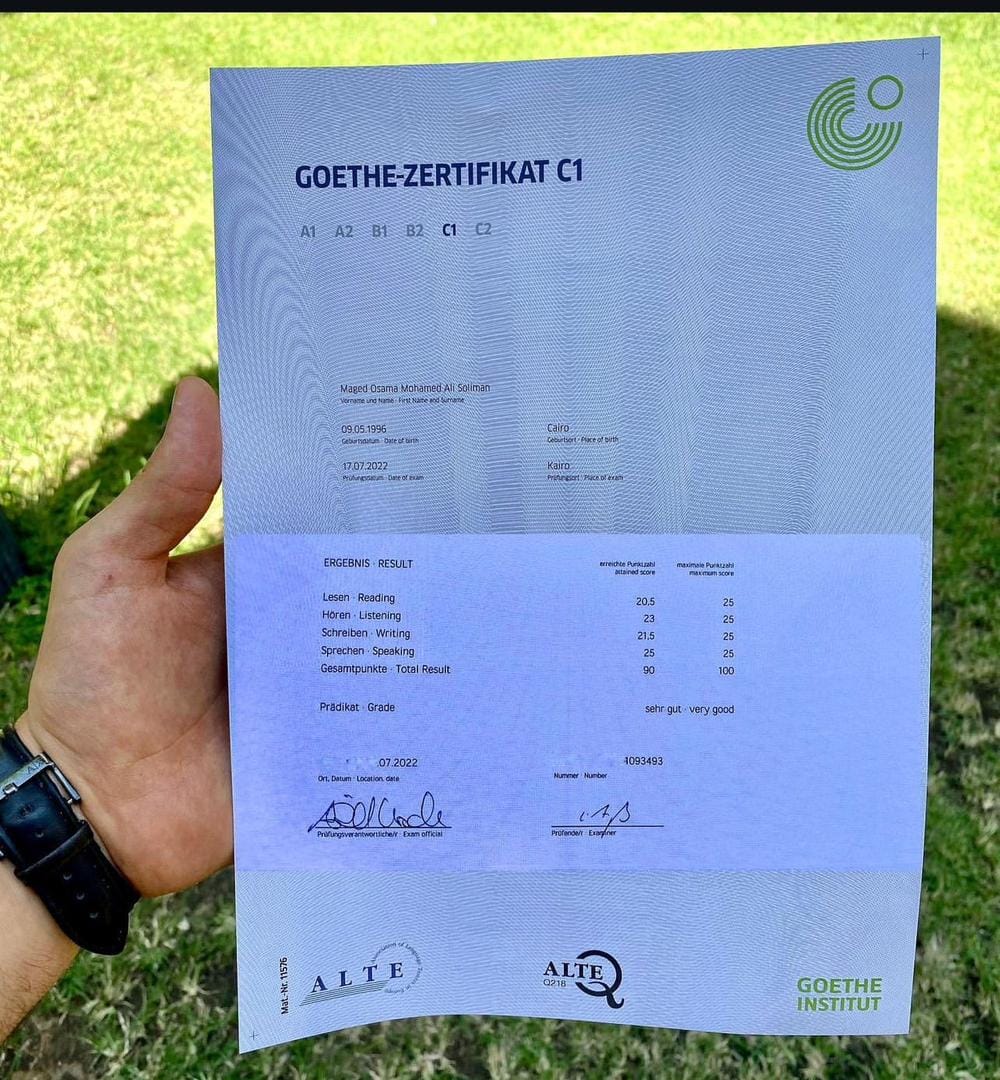
What is the German A1 Certificate?
The German A1 Certificate is a main examination that indicates a learner’s fundamental understanding of the German language. It is the very first level of the Common European Framework of Reference for Languages (CEFR), which categorizes language proficiency throughout 6 levels: A1, A2, B1, B2, C1, and C2.
Accomplishing an A1 Certification demonstrates that the person can:
- Understand and utilize easy everyday expressions and expressions.
- Present themselves and others.
- Ask and address questions about personal information like where they live, individuals they understand, and things they have.
- Interact in a basic way, supplied the other person talks gradually and plainly.
Benefits of Acquiring a German A1 Certificate
An A1 certificate can be helpful for several factors:
-
Entry Requirement for Further Learning: Obtaining the A1 certificate is often the initial step towards pursuing greater levels of German efficiency (A2, B1, and so on).
-
Employment Opportunities: Many companies in German-speaking countries look for prospects with a fundamental understanding of the language, making the A1 certificate a strong possession.
-
Cultural Integration: Learning the essentials of the language helps with smoother interaction with native speakers, which can improve cultural understanding and social combination.
-
Taking a trip: For travelers, knowing basic German can significantly improve the experience, making interaction much easier and more pleasurable.
How to Buy a German A1 Certificate
Acquiring a German A1 certificate does not mean purchasing a main file without taking an exam. Authentic certificates should be made through approved screening centers. Here are the steps one normally follows to obtain a German A1 certificate lawfully:
-
Research Authorized Testing Centers: Look for institutions accredited by the goethe zertifikat b2 kaufen-Institut, TELC (The European Language Certificates), or other recognized language organizations.
-
Register for the Exam: Once an appropriate testing center is determined, prospects can sign up for the exam. Registration typically includes completing an application and paying an assessment fee.
-
Prepare for the Exam: Candidates must assign sufficient time for preparation. There are different resources– online classes, books, and language apps– that can assist in studying.
-
Take the Full Exam: A1 assessments typically include four parts: listening understanding, reading understanding, written expression, and oral expression. Candidates require to show efficiency in all these locations.
-
Receive Your Results: After taking the exam, prospects will get their outcomes and, upon passing, will be issued the A1 certificate.
Preparation Tips for the German A1 Exam
Preparing for the German A1 exam can be both fun and effective with the right approach. Here are some tips to help candidates get all set:
-
Enroll in a German Language Course: Whether online or in-person, formal courses supply structured knowing and expert assistance.
-
Use Language Apps: Applications like Duolingo, Babbel, and Rosetta Stone are popular tools for interactive, on-the-go language practice.
-
Practice Speaking: Engage with native speakers or join language exchange groups. Speaking practice is crucial for developing fluency.
-
Study Vocabulary and Grammar: Focus on standard vocabulary covering greetings, numbers, instructions, and everyday objects, along with essential grammatical guidelines.
-
Listen and Watch German Media: Consuming German content such as music, podcasts, and movies can enhance listening abilities and familiarize students with the language’s rhythm and pronunciation.
Frequently asked questions about the German A1 Certificate
Q1: How long does it require to get ready for the A1 exam?A1 preparation time can vary based on specific learning speeds, however normally, 80 to 100 hours of research study can be sufficient for basic efficiency.
Q2: What is the expense of the A1 exam?The cost varies based upon the testing organization and place however typically varies from EUR100 to EUR200. Q3: How long is the A1 certificate valid?The A1 certificate does not end, as it reflects your language efficiency at a specific moment. Nevertheless, more learning and certification are encouraged for career developments. Q4: Can I take the A1 exam online?Some screening centers use online assessments for A1 certification, while others require in-person presence. Contact the particular institution for information. Q5: What occurs if I stop working the A1 exam?If a prospect does not pass the exam, they can usually retake it after a waiting period. It’s suggested to evaluate
the locations that require improvement before reattempting. Obtaining a German A1 certificate can open numerous doors, whether for travel, work, or even more education. While the option to “buy”a certificate without examination may appear attractive, genuine acquisition through research study and testing guarantees the private has the necessary language abilities. With commitment, support, and preparation, prospects can successfully browse the course to attaining their German A1 certification, paving the method for innovative language learning and improving experiences in German-speaking environments.