
30ft Container Dimensions

Overview

  • Founded Date December 2, 1959
  • Posted Projects 0
  • Viewed 7

Company Description

The 10 Most Scariest Things About 30 Ft Container Dimensions
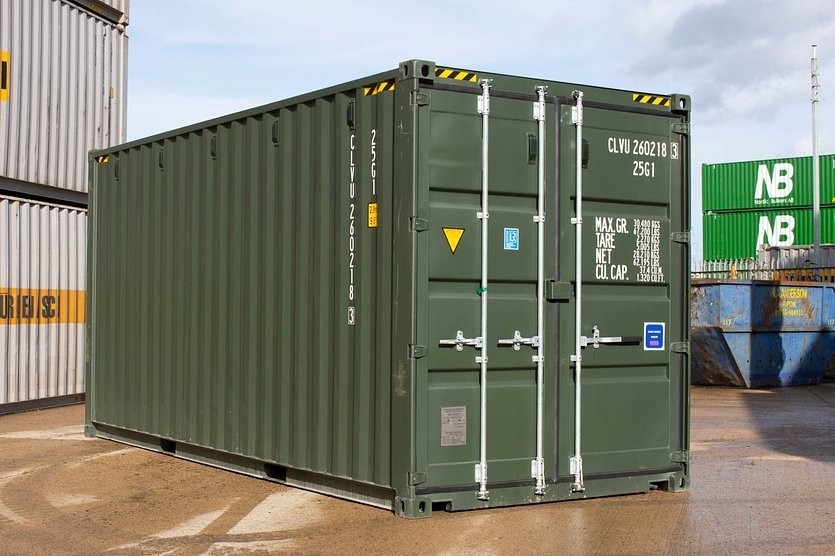
Understanding 30 Ft Container Dimensions

When it comes to shipping and logistics, container dimensions play a pivotal function in enhancing transport and storage services. Among different container sizes offered for business and individual usage, the 30-foot container stands apart due to its flexibility. This blog site post aims to offer an extensive summary of 30 ft container dimensions, requirements, and applications.

Introduction of Shipping Containers

Shipping containers are utilized around the world for the transportation of products. They are available in various sizes and types, with the most common dimensions being 20 feet and 40 feet. Nevertheless, the 30 ft container offers an intermediate option, supplying advantages for particular shipping and storage requirements.

Dimensions of a 30 Ft Container

Here are the requirements of a basic 30 ft container:

Dimension Metric (m) Imperial (ft)
External Length 9.14 m 30 ft
External Width 2.44 m 8 ft
External Height 2.59 m 8.5 ft
Internal Length 9.00 m 29.5 ft
Internal Width 2.35 m 7.7 ft
Internal Height 2.39 m 7.9 ft
Optimum Payload 26,000 kg 57,320 lbs
Volume 66.2 m ³ 2,335 ft three External vs. Internal Dimensions

External dimensions describe the general size of the container, including the building structure, while internal dimensions describe the usable space within the container. Understanding these differences is essential for preparing just how much freight can be filled. Advantages of Using a 30 Ft Container Utilizing a 30 ft container can

offer a number of benefits, depending on the

particular service requirements: Optimal Storage Solution: The 30 Foot Container For Sale ft Container 30 Feet strikes a balance in between size and capacity

  1. , making it suitable for moderate to high-volume storage requirements. Cost-Efficiency: While larger 40 ft containers offer more space, they can also be more expensive to lease or buy

  2. . A 30 ft containercan be a more economical choice without compromising excessive capability. Adaptability: 30 ft containers can be used for different applications, from transferring goods to momentary storage on construction sites.

  3. Easy Transportability: The reasonably smaller sized size makes a 30 ft container easier to carry and navigate in tight spaces than bigger containers.

  4. Improved Security: Like all shipping containers, 30 ft containers are created to be secure, offering defense versus theft and weather-related damage. Applications of 30 Ft Containers The versatility of the 30 ft container makes it ideal for different applications, including: Residential Moves: Ideal for moving items when downsizing or crossing town. Temporary Storage: Perfect for building websites needing safe and dry storage for tools and materials. Commercial Storage: Businesses can utilize

    • these containers for inventory storage, especially in seasonal demands. Portable Offices: The container can be
    • transformed into a portable office, providing a functional location on task websites. Retail Use: Ideal for pop-up stores or short-lived displaysat unique occasions or festivals. Often Asked Questions(FAQs)Q1: What is the weight limitation of a 30 ft container? A: A typical 30 ft container
    • has an optimum payload of roughly 26,000 kg, or 57,320 pounds. Q2: How much does a 30 ft container weigh? A: The tare weight of a basic 30 ft
    • container is normally around 2,300 kg, or about 5,000 pounds, which can differ somewhat based upon the container’s

    product and building. Q3: Are 30

    ft containers available for lease? A: Yes, both rental and purchaseoptions are available for 30 ft containers through shipping and logistics business. Q4: Can a 30 ft container be shipped globally? A: Yes, they can be utilized for global shipping, subject to the regulations of the nations associated with the transportation. Q5: What is the difference between a basic container and a high-cube container? A: A high-cube container is 1 ft taller than a basic container

    , offering it more internal area. For example, a high-cube 30 ft container will usually have an external height of 9.5 ft.

    The 30 ft container offers a special mix of size,functionality, and cost-effectiveness, making it a favored choice for various shipping and storage needs. Companies and individuals alike can benefit from its flexibility, whether needing temporary storage, moving an office, or shipping products across borders. Comprehending the dimensions, applications, and benefits of 30 ft containers can help optimize logistics and make informed decisions to meet your 30ft Shipping Container and storage requirements. If you’re considering using a 30 ft container for your requirements, it’s finest to seek advice from specialists to guarantee it fits your particular requirements, budget, and space restraints.